

In the manufacturing of fluid control parts, achieving high surface quality is crucial for reliable performance, especially given the stringent standards these components must meet in demanding environments. CNC hard turning, a precision machining process, is a popular method for producing these components due to its high accuracy and efficiency. However, to maximize the benefits of CNC hard turning, proper cooling and lubrication strategies are essential. Effective cooling and lubrication not only improve surface finish but also prevent overheating and deformation, which can compromise the functionality and longevity of the parts.
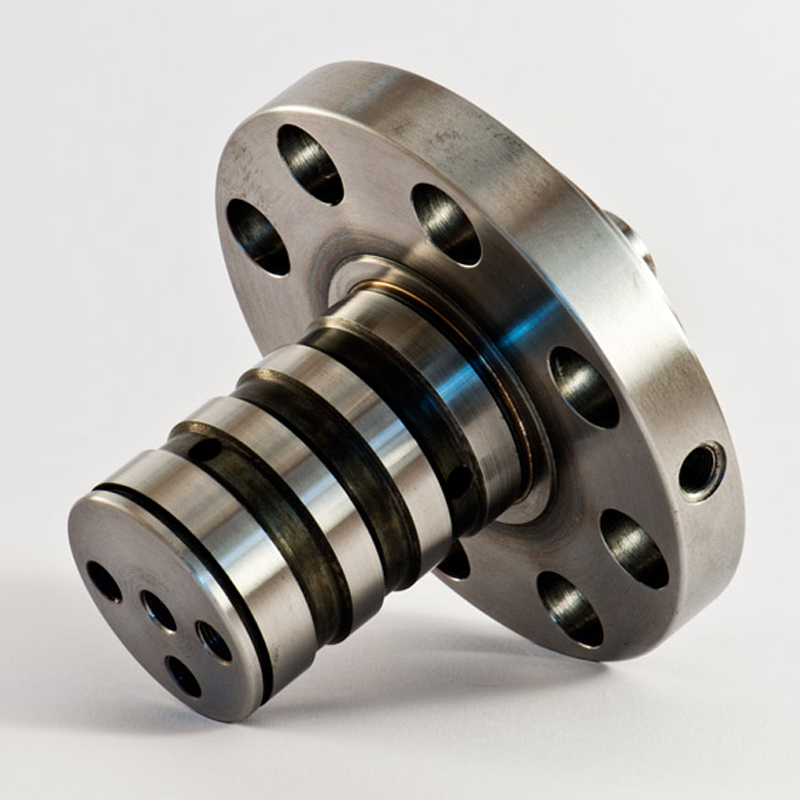
1. Importance of Cooling and Lubrication in CNC Hard Turning
CNC hard turning is typically used to machine hard materials, such as hardened steels and alloys, often with hardness levels exceeding 45 HRC (Rockwell Hardness). These materials generate significant heat during machining, especially in continuous or high-speed operations. If not properly managed, this heat can lead to issues such as surface burns, dimensional inaccuracies, and structural weaknesses in the material. Cooling and lubrication strategies help mitigate these risks by reducing heat, minimizing friction, and ensuring a consistent and high-quality finish.
2. Types of Coolants and Lubricants Used in CNC Hard Turning
Several types of coolants and lubricants are commonly used in CNC hard turning, each with its advantages and suitable applications:
-
Water-Soluble Coolants: These are typically used for their excellent cooling properties, as water can absorb heat rapidly. These coolants are often mixed with oils or other additives to enhance lubrication and reduce the chance of rusting.
-
Straight Oils: Unlike water-based coolants, straight oils are primarily lubricants and provide excellent anti-wear properties. They are used in scenarios where a high degree of lubrication is needed but may be less effective in high-temperature cooling.
-
Synthetic and Semi-Synthetic Coolants: Synthetic coolants are engineered for both cooling and lubricating properties, often providing an effective balance between heat reduction and wear protection. Semi-synthetics combine water and oil-based elements, offering versatility in machining operations.
-
Cryogenic Cooling: Using liquid nitrogen or CO₂, cryogenic cooling is a newer method that enables extremely low temperatures during machining, significantly reducing thermal damage and maintaining material integrity. It’s especially effective for high-speed CNC hard turning.
3. Coolant Application Methods for Improved Surface Quality
The method of applying coolants can be just as important as the type of coolant used. Different methods ensure that the cooling and lubrication reach the cutting area effectively, enhancing surface finish and tool life:
-
Flood Cooling: This method involves a continuous flow of coolant directed at the tool and workpiece. It is effective in dissipating large amounts of heat and is commonly used in high-speed turning.
-
High-Pressure Coolant (HPC): In HPC, coolant is delivered at high pressure (often above 1,000 psi) directly to the cutting zone. This helps remove chips and prevents chip re-cutting, reducing heat and achieving a smoother surface finish. HPC is particularly beneficial for hard materials and deep cuts.
-
Minimum Quantity Lubrication (MQL): Also known as near-dry machining, MQL involves applying a fine mist of lubricant to the cutting area. This method minimizes coolant waste and is suitable for applications where full cooling is not essential, such as with certain high-hardness alloys that benefit from reduced friction.
4. Balancing Cooling and Lubrication for Optimal Results
In CNC hard turning, cooling and lubrication need to be carefully balanced. While cooling primarily reduces heat, lubrication minimizes friction between the cutting tool and workpiece. Both are important, as excessive heat can deform the workpiece or damage the cutting tool, while insufficient lubrication can lead to tool wear and poor surface finish. The key is to find a coolant/lubricant combination that effectively removes heat and allows smooth cutting.
- For hard materials, a balanced approach using a high-cooling capacity coolant with added lubricity agents is often ideal.
- For softer or less heat-sensitive materials, a more lubricant-heavy solution may be used to reduce friction and ensure a fine surface finish without excessive cooling.
5. Cryogenic Cooling: A Modern Solution for Surface Integrity
Cryogenic cooling is gaining popularity in CNC hard turning for its ability to maintain surface integrity in extreme machining conditions. By using liquid nitrogen or carbon dioxide to achieve temperatures as low as -195°C, cryogenic cooling minimizes thermal stress and virtually eliminates heat-related deformations. This method is especially useful for fluid control parts, where precision and dimensional stability are crucial. Although cryogenic cooling can be more expensive, it offers substantial benefits in terms of surface quality and material integrity, making it an attractive option for high-performance components.
6. Coolant and Lubrication Strategies for Tool Life Extension
One of the added benefits of effective cooling and lubrication is the extension of tool life. Consistent cooling prevents the cutting tool from overheating and softening, while adequate lubrication reduces abrasive wear on the tool’s cutting edges. This is particularly relevant for hard turning processes where cutting tools are exposed to intense friction and pressure. By maintaining optimal tool temperatures and reducing wear, manufacturers can reduce tool replacement costs and improve the efficiency of their machining operations.
7. Environmental and Cost Considerations
Coolant and lubrication strategies in CNC hard turning should also take environmental and cost factors into account. Coolants and lubricants can be expensive and generate waste, which requires proper disposal. Some options, such as MQL, are designed to minimize coolant usage, reducing both operational costs and environmental impact. Additionally, choosing coolants with a longer lifespan and high biodegradability can help companies meet sustainability goals while ensuring high-quality machining results.
8. Monitoring and Maintaining Coolant Quality
Coolants and lubricants require regular monitoring and maintenance to ensure they perform optimally. Over time, coolants can degrade, accumulate contaminants, and lose their cooling and lubricating properties. Implementing a routine coolant management system helps prevent bacterial growth, maintain coolant effectiveness, and avoid potential damage to parts and equipment. This includes monitoring pH levels, filtration, and replacing old coolant when necessary.
9. Customization of Coolant and Lubricant Mixtures
Each material and machining condition may require a customized coolant or lubricant mix to achieve the best results. Fluid control parts, which often have high precision requirements, benefit from a carefully selected mixture that balances cooling and lubrication based on the hardness and heat sensitivity of the material. Customizing these mixtures enables manufacturers to improve surface finish and ensure that the cooling and lubrication meet the specific needs of the process.
10. Future Trends in Cooling and Lubrication for CNC Hard Turning
As machining technology evolves, so do cooling and lubrication methods. Innovations such as smart sensors for real-time coolant monitoring, adaptive lubrication systems, and environmentally-friendly formulations are emerging to enhance CNC hard turning efficiency. Additionally, as cryogenic and nanofluid-based cooling become more accessible, manufacturers can expect even greater precision, cost savings, and environmental benefits.
In CNC hard turning, especially for fluid control parts, cooling and lubrication are essential for achieving the desired surface quality, preventing overheating, and maintaining part integrity. By carefully selecting and applying the appropriate coolant and lubrication strategy—whether through flood cooling, HPC, MQL, or even cryogenic cooling—manufacturers can ensure their parts meet stringent quality standards while extending tool life and managing costs. As cooling and lubrication technology advances, these methods will continue to play a pivotal role in the pursuit of precision and reliability in fluid control component manufacturing.