

In the aerospace industry, precision and reliability are paramount. Among the critical components that contribute to the safety and functionality of aircraft and space vehicles are special aerospace components, including gear gearing components. These specialized parts ensure smooth operation, accurate motion control, and efficient power transmission in various aerospace applications.
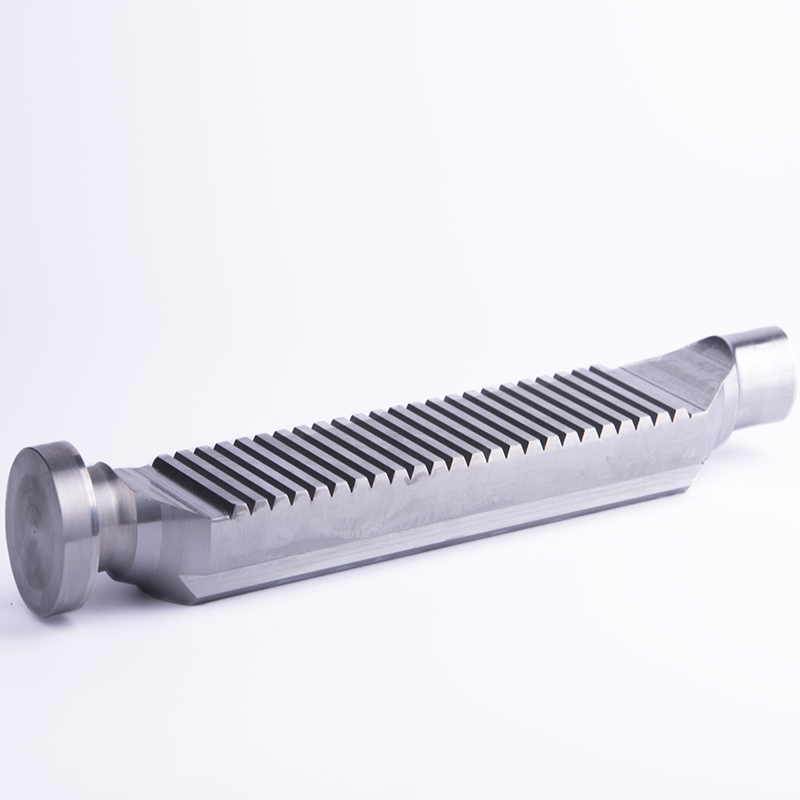
Importance of Gear Gearing Components in Aerospace
Gears and gearing systems play a vital role in aerospace engineering, where they are responsible for transmitting power, controlling speed, and ensuring the precise movement of various mechanical parts. These components are used in several key systems, including:
1.Propulsion Systems: Gears are essential in aircraft engines and propulsion systems. They help transmit power from the engine to other components, such as propellers or turbines, ensuring that the necessary thrust is generated for flight.
2.Flight Control Systems: Precision gears are used in flight control systems, where they assist in controlling the movement of flaps, ailerons, and rudders. These systems rely on gears to convert rotational motion into linear motion, enabling accurate control of the aircraft's orientation and direction.
3.Landing Gear Mechanisms: In landing gear systems, gears are used to extend and retract the landing gear during takeoff and landing. These mechanisms require reliable gearing to operate smoothly and handle the stress and load during landing.
4.Space Exploration Vehicles: Gears and gearing components are also critical in spacecraft, where they enable the operation of robotic arms, antenna positioning systems, and other crucial mechanisms. In space exploration, where precision is essential, these gears must function flawlessly in extreme environments.
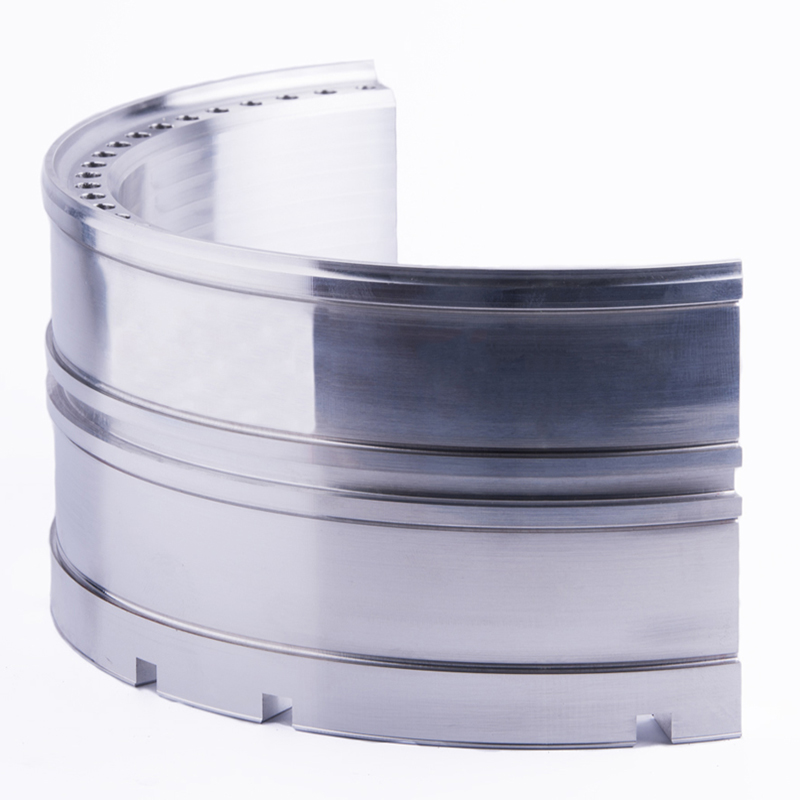
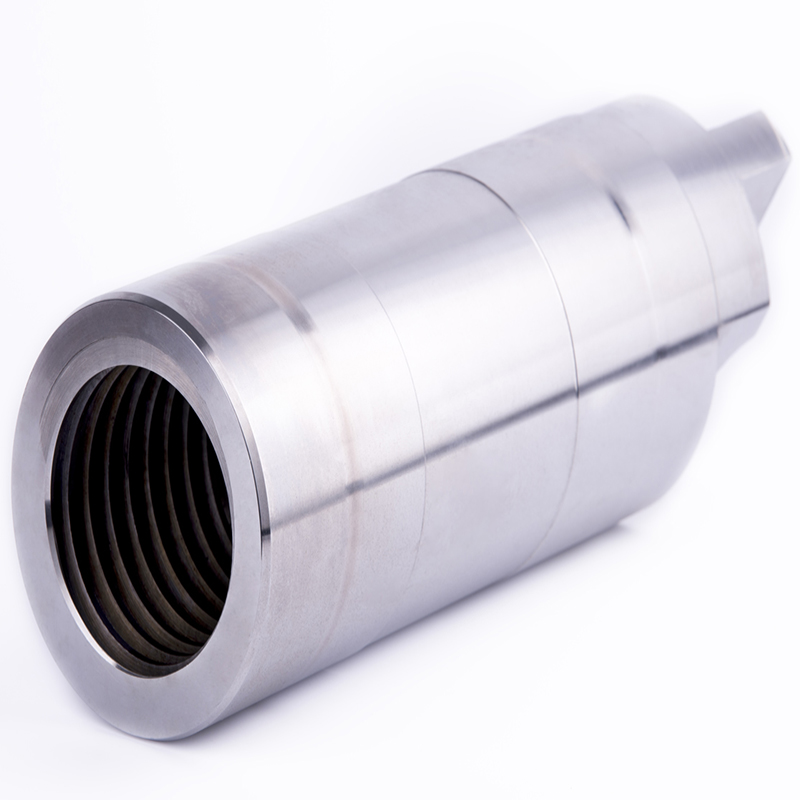
Design Challenges and Requirements
Designing gear gearing components for aerospace applications presents several unique challenges. The components must meet stringent requirements to ensure their performance and reliability in demanding conditions.
1.Precision Engineering: Aerospace gears must be manufactured to extremely tight tolerances to ensure accurate operation. Even the smallest deviation in gear dimensions can lead to malfunction, making precision engineering a top priority.
2.Material Selection: The materials used in aerospace gears must be lightweight, durable, and capable of withstanding high temperatures and extreme environmental conditions. Aerospace-grade materials such as titanium, high-strength steel, and specialized alloys are commonly used to meet these requirements.
3.High Strength-to-Weight Ratio: In the aerospace industry, reducing weight is critical to improving fuel efficiency and performance. Gearing components must be designed to provide maximum strength while minimizing weight, a balance that requires advanced material science and engineering expertise.
4.Resistance to Wear and Fatigue: Aerospace gears are subject to continuous stress, and they must resist wear, fatigue, and corrosion over long periods of operation. Special coatings, heat treatments, and surface finishes are often applied to enhance the durability and lifespan of these components.
5.Environment Compatibility: Gears in aerospace applications often operate in harsh environments, including high altitudes, vacuum conditions, and extreme temperatures. These components must function reliably in such conditions without degradation.
Advanced Manufacturing Techniques
To meet the demanding requirements of aerospace gear gearing components, manufacturers employ advanced manufacturing techniques. These techniques ensure that the components meet the highest standards of quality and precision:
1.CNC Machining: Computer Numerical Control (CNC) machining is widely used to produce aerospace gears with high precision. CNC machines can create complex gear geometries with minimal error, making them ideal for aerospace applications.
2.Additive Manufacturing (3D Printing): Additive manufacturing is increasingly being adopted in the aerospace industry to produce lightweight and complex gear components. This technology allows for greater design freedom and can reduce material waste compared to traditional manufacturing methods.
3.Heat Treatment: Heat treatment processes, such as quenching and tempering, are used to enhance the mechanical properties of aerospace gears. These processes improve the hardness and strength of the gear material, making it more resistant to wear and fatigue.
4.Surface Finishing and Coating: Specialized surface finishing and coating techniques, such as nitriding and anodizing, are applied to protect gears from corrosion and wear. These treatments also enhance the performance of gears in high-stress environments.
Impact on Aerospace Industry
Special aerospace components, particularly gear gearing components, are integral to the success and safety of aviation and space missions. The development of these components has had a profound impact on the aerospace industry:
1.Enhanced Safety: Precision gears contribute to the safety of aircraft and spacecraft by ensuring that critical systems operate reliably. Whether it's controlling flight surfaces or deploying landing gear, these components play a key role in preventing accidents and ensuring safe landings.
2.Improved Efficiency: Advanced gearing systems help improve the efficiency of propulsion and mechanical systems in aircraft and spacecraft. By optimizing power transmission and reducing energy loss, these components contribute to better fuel efficiency and longer mission durations.
3.Technological Advancements: The development of specialized aerospace gears has driven innovation in manufacturing and material science. Techniques developed for aerospace gears, such as precision machining and additive manufacturing, have also been adopted in other industries, pushing the boundaries of engineering and technology.
4.Exploration and Expansion: In space exploration, gears enable the operation of complex mechanisms that are critical to missions. Whether it's deploying solar panels, controlling robotic arms, or positioning antennas, gears are essential to the success of these endeavors.
Special aerospace components, including gear gearing components, are the backbone of many critical systems in aviation and space technology. Their precision, reliability, and ability to function in extreme environments make them indispensable to the aerospace industry. As technology continues to evolve, advancements in material science and manufacturing techniques will further enhance the performance of these components, driving innovation in aerospace engineering and contributing to safer, more efficient air and space travel.