

In the demanding realm of industrial manufacturing, precision and reliability are paramount, especially when it comes to producing CNC MACHINING COMPONENTS for critical sectors like oil and gas. The advanced techniques employed in CNC milling have revolutionized the production of high-precision spare parts, ensuring optimal performance in some of the most challenging environments.
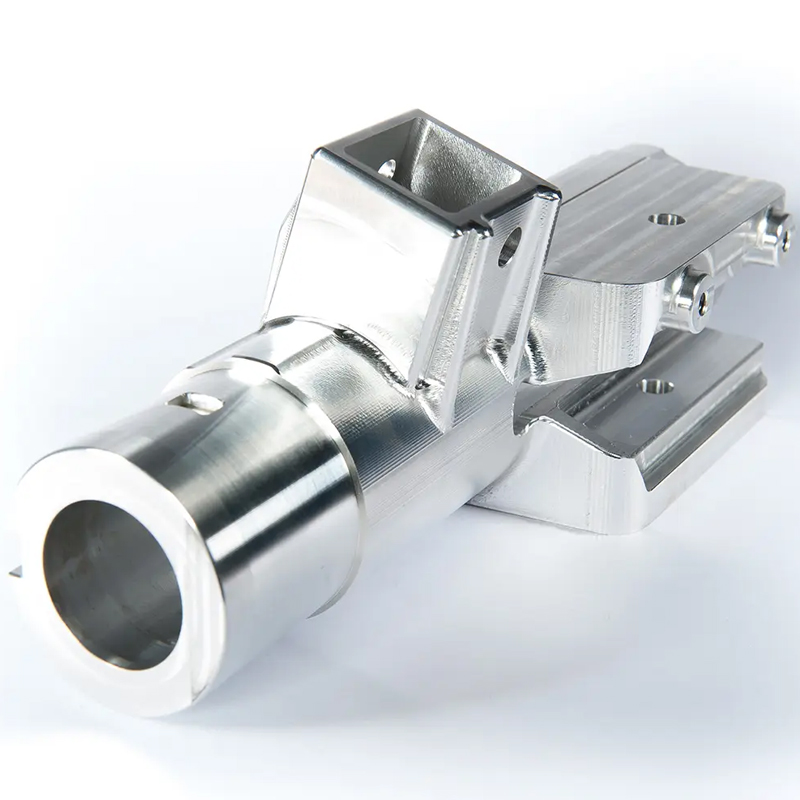
CNC Milling stands at the forefront of modern manufacturing, leveraging computer numerical control to automate and enhance the precision of machining processes. When it comes to producing spare parts for the oil and gas industry, CNC milling encompasses a suite of techniques that cater to the stringent requirements of this sector.
Multi-axis milling is a cornerstone technique, allowing for the machining of complex geometries with exceptional accuracy. By utilizing multiple axes of movement, machinists can create intricate shapes and features in a single setup, minimizing the need for multiple operations and reducing potential sources of error. This capability is particularly valuable for components that must withstand extreme pressures and temperatures, such as those found in downhole drilling equipment.
Turning, another essential CNC machining process, complements milling by providing precise cylindrical machining capabilities. This is crucial for producing components like pump shafts and valve stems, where concentricity and dimensional accuracy are vital for proper function and longevity.
Electrical Discharge Machining (EDM) and wire-cut processes further expand the precision machining toolkit. EDM utilizes electrical sparks to erode material, making it ideal for creating fine details and micro-features in hard materials without mechanical stress. Wire-cut EDM, on the other hand, employs a thin wire electrode to precisely cut conductive materials, enabling the production of tight-tolerance components with smooth surface finishes.
The synergy of these techniques ensures that CNC milling spare parts for oil and gas meet the highest standards of quality and performance. The tight tolerances achievable through these methods are not merely a matter of dimensional accuracy but directly translate to enhanced operational efficiency and safety in the field.
Moreover, the superior surface finishes obtained from these advanced machining processes contribute to reduced wear and tear, extending the service life of critical equipment. This is particularly significant in the oil and gas industry, where downtime can result in substantial financial losses and operational risks.
The application of precision machining techniques in CNC milling has transformed the production landscape for spare parts in the oil and gas sector. By embracing multi-axis milling, turning, EDM, and wire-cut processes, manufacturers can deliver components that not only meet but exceed industry demands, ensuring reliability and performance in even the harshest conditions. As technology continues to advance, the future promises even greater precision and efficiency, further solidifying the role of CNC machining in this vital industry.