

With the rapid development of electric vehicles, portable electronic devices and energy storage systems, the demand for lithium batteries continues to increase. As an electrochemical energy storage device with high energy density, long life and low self-discharge rate, lithium batteries have become an indispensable and important part of modern scientific and technological life. In order to meet the growing market demand and technical requirements, the demand for high-precision components in the lithium battery manufacturing process is also increasing. Customized high-precision lithium battery components are playing an irreplaceable role as an important support in this field.
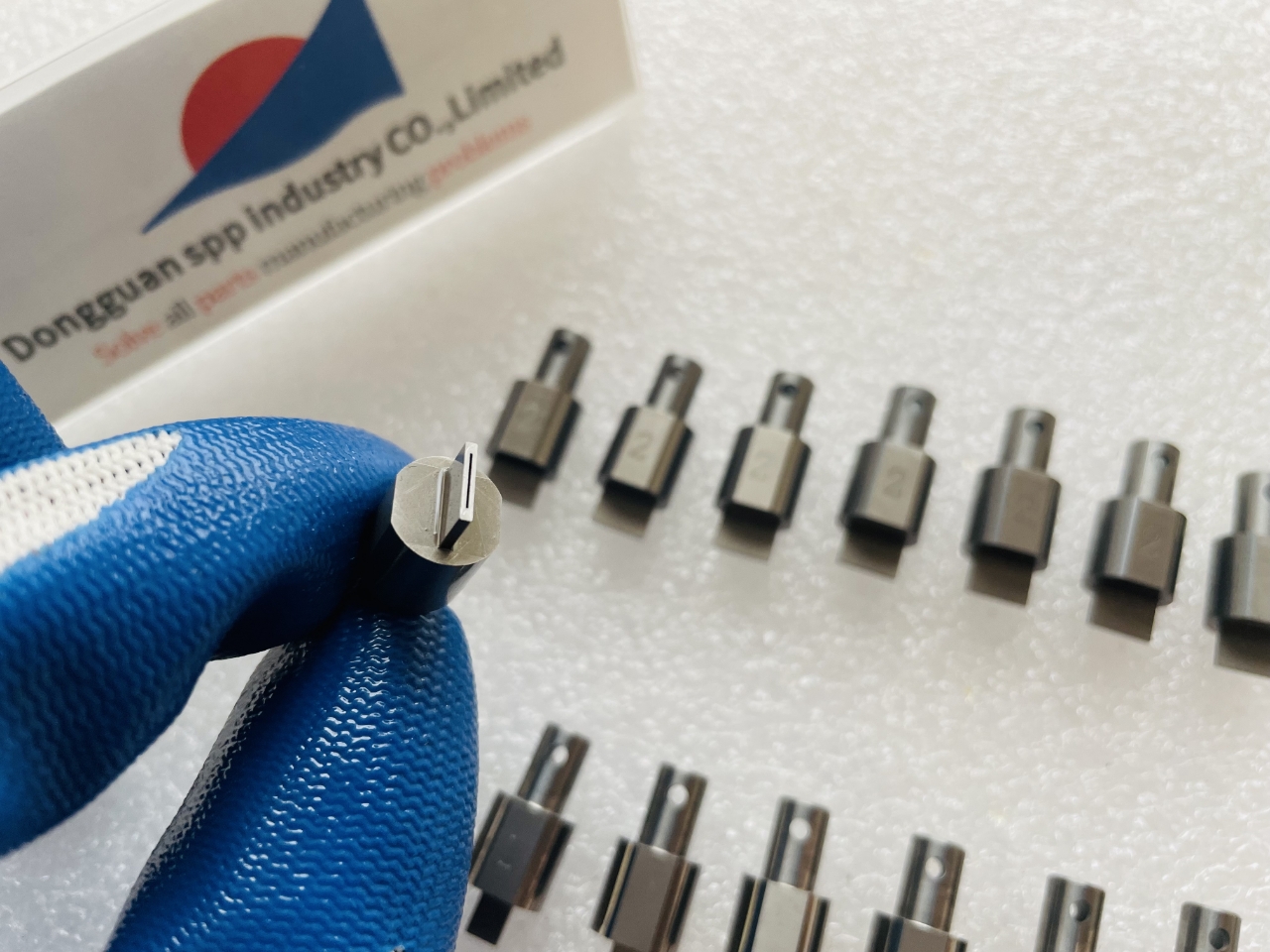
1. Characteristics of customized high-precision lithium battery components
- High precision: The internal structure of lithium batteries is complex, especially its key components such as electrodes and separators, which require extremely high precision. High-precision components can ensure that the battery works stably during the charging and discharging process, and improve the energy density and service life of the battery. Through precision machining technology, the dimensional tolerances, shape tolerances and position tolerances of components can be strictly controlled to ensure the overall performance of lithium batteries.
- Customization: Different application scenarios and products have different requirements for lithium batteries. Customization can design and manufacture parts according to specific needs. For example, electric vehicles have specific requirements for the energy density, power density and safety of lithium batteries, while portable electronic devices pay more attention to the volume and weight of the battery. Through customized design and manufacturing, we can meet the specific needs of different applications and improve the competitiveness of our products.
- High reliability: Lithium batteries need to undergo multiple charge and discharge cycles during use, so their internal components must have high reliability. High-precision parts can not only improve the stability of the battery, but also reduce the probability of battery failure during use, thereby extending the service life of the battery and reducing maintenance costs.
- Material selection: In order to meet the use needs of lithium batteries in different environments, customized high-precision parts usually use materials with excellent performance. These materials must not only have good electrical and thermal conductivity, but also be corrosion-resistant, high-temperature resistant and have high mechanical strength. For example, metal materials such as copper and aluminum are often used in electrode connection parts, while polymer materials are used in separators and packaging materials.
2. Application of customized high-precision lithium battery components
- Electric vehicles: Electric vehicles are one of the important areas of lithium battery application. Electric vehicles have extremely high requirements on the energy density, charge and discharge rate and safety of lithium batteries. The application of customized high-precision components in battery modules and battery management systems can significantly improve the cruising range and safety performance of electric vehicles. For example, high-precision electrodes and conductive connectors can reduce the internal resistance of the battery and improve energy conversion efficiency; high-performance thermal management components can effectively control the operating temperature of the battery and prevent safety issues caused by overheating.
- Portable electronic devices: With the popularity of smartphones, laptops and wearable devices, the demand for lithium batteries in portable electronic devices continues to increase. Portable devices have strict requirements on battery size, weight and energy density. Through customized design and manufacturing of high-precision components, the battery can be miniaturized and lightweight while ensuring its high energy density and long battery life.
- Energy storage system: In the field of renewable energy, energy storage system is an important equipment for energy storage and dispatch. As the core component of the energy storage system, lithium battery performance directly affects the efficiency and stability of the system. Customized high-precision components can improve the charge and discharge efficiency and cycle life of lithium batteries, and meet the requirements of energy storage systems for large capacity, high power and long life. For example, high-precision current collectors and separators can improve the conductivity and safety of batteries and ensure stable operation of energy storage systems under high load conditions.
- Industrial equipment: In fields such as industrial automation and robotics, lithium batteries, as key energy supply equipment, need to have high energy density and reliability. Customized high-precision components can improve the efficiency and reliability of lithium batteries in industrial equipment and meet the needs for high load and long-term operation in industrial environments. For example, high-precision packaging and protection components can improve the protection level of the battery and prevent damage to the battery from the external environment.
3. Manufacturing process of customized high-precision lithium battery parts
- Precision machining technology: Precision machining technology is the basis for manufacturing high-precision parts. Commonly used precision machining technologies include numerical control machining (CNC), electric discharge machining (EDM), laser machining and ultra-precision turning. These technologies can achieve high-precision manufacturing of complex parts and ensure the dimensional and shape accuracy of the parts. For example, CNC machining technology can achieve high-precision machining of complex geometries and is suitable for manufacturing components such as electrodes and conductive connectors.
- High-precision inspection and quality control: In the manufacturing process of high-precision parts, inspection and quality control are crucial. The use of high-precision measuring instruments and equipment, such as three-dimensional coordinate measuring machines (CMM), laser interferometers and optical microscopes, can conduct strict size and shape inspection of parts to ensure that they meet design requirements. At the same time, through statistical process control (SPC) and total quality management (TQM) and other methods, the production process is monitored and optimized in real time to improve the manufacturing quality and consistency of parts.
- Material processing and surface treatment: Customized high-precision lithium battery parts have strict requirements on material selection and processing. Commonly used materials include copper, aluminum, stainless steel and polymer materials. Material processing includes cutting, forming, welding and surface treatment. For example, electrodes and conductive connections are often made from copper and aluminum materials through precision cutting and welding processes. Surface treatment technologies, such as electroplating, anodizing and coating, can improve the corrosion resistance and conductivity of components and extend their service life.
- Intelligent manufacturing and automation: With the development of intelligent manufacturing and Industry 4.0, the manufacturing process of lithium battery components is also developing towards automation and intelligence. By introducing robots, automated production lines and Internet of Things technology, production efficiency and manufacturing accuracy can be improved, and errors caused by human operations can be reduced. At the same time, big data and artificial intelligence technology are used to intelligently analyze and optimize the manufacturing process, improve the controllability and flexibility of the production process, and achieve efficient customized production of high-precision parts.
4. The future development trend of customized high-precision lithium battery components
- Technological progress and innovation: With the continuous advancement of science and technology, the manufacturing technology of customized high-precision lithium battery parts is also constantly innovating. In the future, with the further development of nanomaterials, advanced manufacturing technology and intelligent manufacturing, the accuracy and performance of lithium battery components will be further improved. For example, the application of nanotechnology can improve the conductivity and specific surface area of electrode materials, thereby increasing the energy density and charge and discharge rate of batteries; 3D printing technology can achieve high-precision manufacturing of complex parts, shorten the production cycle and reduce manufacturing costs.
- Sustainable development: In the context of global environmental protection and sustainable development, the manufacturing of lithium battery components also needs to consider environmental protection and resource conservation. In the future, green manufacturing and circular economy will become important development directions. For example, by using environmentally friendly materials and renewable energy, we can reduce carbon emissions and environmental pollution during the manufacturing process; by designing removable and recyclable parts, we can improve the recycling rate of materials and reduce resource waste.
- Personalized customization and quick response: With the diversification and personalization of market demand, the demand for customization of lithium battery parts will continue to increase. In the future, personalized customization and rapid response based on big data and artificial intelligence will become an important development trend. For example, through big data analysis, we can understand customer needs and preferences and provide customized solutions; through intelligent manufacturing and flexible production lines, we can achieve rapid response and efficient production to meet the diverse needs of the market.
- Cross-field cooperation and collaborative innovation: Customized manufacturing of lithium battery components involves multiple disciplines and technical fields. Cross-field cooperation and collaborative innovation will become an important development trend in the future. For example, cooperation in multiple fields such as materials science, electronic engineering, mechanical manufacturing and information technology can promote the comprehensive innovation and application of lithium battery component manufacturing technology and achieve more efficient and reliable manufacturing solutions.
As an important support for promoting the advancement of lithium battery technology and application expansion, customized high-precision lithium battery components have significant characteristics such as high precision, customization, high reliability and material selection. Through manufacturing processes such as precision machining technology, high-precision inspection and quality control, material processing and surface treatment, intelligent manufacturing and automation, efficient production of high-performance parts can be achieved. In the future, with the promotion of technological progress and innovation, sustainable development, personalized customization and rapid response, cross-field cooperation and collaborative innovation, customized high-precision lithium battery components will play an even more important role in energy innovation and industrial upgrading. role.